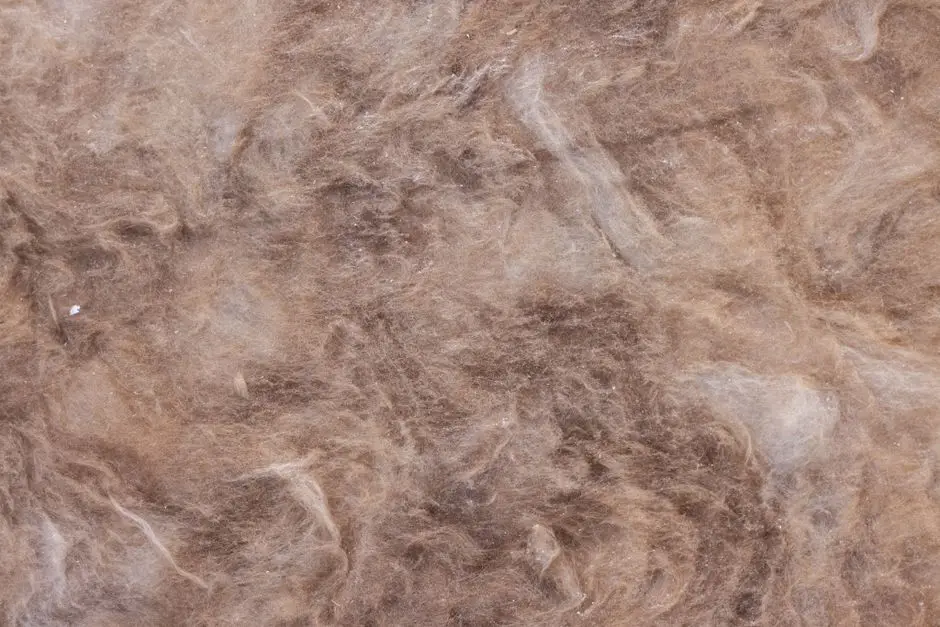
Dust-controlled foam removal for Stafford lofts, roofs and cavity walls
Sand blasting spray foam insulation removal in Stafford, Staffordshire
We handle sand blasting spray foam insulation removal in Stafford, Staffordshire for homeowners, landlords and buyers who have been refused a mortgage because of foam. Our team strips open cell and closed cell foam from lofts, rafters and cavity walls, then clears the dust and debris so your surveyor can sign the property off. We work across Stafford and the surrounding villages, usually finishing a standard loft in one to two days.
Live phone supportUpfront optionsBacked workmanship
What's included
What our sand blasting foam removal service includes
Every removal job includes the survey, dust control, blasting, vacuuming, licensed disposal and a clearance report. Anything beyond that, such as re-insulation or timber treatment, is quoted separately once the roof is clear and dry.
Full loft survey
We photograph the foam, test timbers with a moisture meter and check ventilation before quoting. You get an honest view on whether removal is necessary and what the roof will look like underneath.
Dust-controlled blasting
Protective sheeting, sealed hatch, negative air pressure and an air scrubber keep dust out of the house. We use sand blasting equipment at controlled pressure to lift foam without damaging the timber.
Vacuum and bagging
All loose foam, dust and spent blasting media go into the spray foam removal vacuum and are bagged on site. Nothing is left in the loft or tipped down a drain.
Licensed waste disposal
Foam and blasting waste are removed by a licensed carrier and disposed of correctly. You get a waste transfer note for your records, which lenders and surveyors sometimes ask to see.
Clearance report
Dated photographs, moisture readings and a written summary of what was removed. This is the document you pass to your lender, surveyor or buyer to show the roof is clean.
Service overview
What sand blasting spray foam insulation removal in Stafford, Staffordshire involves
Sand blasting spray foam insulation removal in Stafford, Staffordshire is a controlled mechanical process that strips cured polyurethane foam off roof timbers, tiles and cavity walls using a regulated abrasive stream, then captures the debris with industrial vacuum and air scrubbing equipment. We start by testing the foam, checking for hidden damp and photographing the timbers, because foam that has been sprayed over wet wood traps moisture and starts roof timber rot. From there we mask the loft, run the blasting rig at low pressure and work section by section until the wood is back to bare grain.
Most Stafford jobs we quote come from one of three situations: a mortgage lender refusal after a survey flags spray foam, a loft that has become unusable because the foam blocked ventilation, or a homeowner who wants the space back for storage or a conversion. Foam sprayed by brands like Icynene, Lapolla and Demilec can be removed, but it has to be done carefully. If you have been searching for sand blasting spray foam insulation removal in Stafford near me, we can survey the loft, tell you what the timbers look like underneath and give you a fixed price before we start.

How we workWe verify the cause, compare realistic options, and confirm the repair before we leave.
The service timeline
How our sand blasting foam removal process works
The process flexes to the condition, but these checkpoints keep decisions clear.
Survey and quote
We visit your Stafford property, photograph the foam, test the timbers with a moisture meter and check the loft ventilation. You get a written fixed price the same day, plus an honest view on whether the foam needs removing or can be left alone. Surveys usually take 45 minutes.
Protect and mask
On the day, we lay protective sheeting over floors, stairs and any belongings left in the loft. We seal the loft hatch, set up negative air pressure and position the air scrubber so dust cannot escape into the house. Masking takes around an hour on a standard semi.
Blast the foam
We run the sand blasting equipment at controlled pressure, working along each rafter and between the trusses. The abrasive stream lifts the polyurethane foam without cutting into the timber. A typical three-bedroom loft takes one to two days to clear, depending on foam thickness.
Vacuum and clear
Every loose fragment goes into the spray foam removal vacuum, and we bag the waste for licensed disposal. We then wipe down the timbers and check the loft with a thermal imaging camera to confirm no foam pockets remain behind the rafters. Clearance usually adds half a day.
Final report
We hand over photographs of the cleared timbers, moisture readings and a written summary you can pass to your lender or surveyor. If you are selling, this is the document that gets the file moving again. We can also quote for new insulation once the roof is dry.
Tools & methods
Tools and methods we use for foam removal
Purpose-built equipment, used by trained technicians, so the job is done accurately the first time.
Sand blasting equipment
Controlled abrasive blasting that lifts cured polyurethane foam off rafters, tiles and battens without cutting into the timber. Pressure and media grade are adjusted rafter by rafter.
Spray foam removal vacuum
Industrial vacuum that captures loose foam, dust and spent media as we work, keeping the loft clean and stopping debris reaching the house below.
Air scrubber
Runs throughout the job to filter airborne dust and any isocyanate residues, so the landing and living space stay clear even on terraced properties.
Thermal imaging camera
Maps hidden damp and missed foam pockets behind rafters, so we know exactly where to blast and where the roof is still holding moisture.
Moisture meter
Reads timber moisture before and after removal. Readings above safe levels tell us which rafters need drying time before any new insulation goes back.
Oscillating multi-tool and industrial scraper
Used in corners, around chimney breasts and on delicate timbers where the blasting rig would be too aggressive. Hand work finishes what the blaster starts.
Dry ice blasting machine
A non-abrasive option for enclosed spaces and thin timbers. Dry ice pellets lift foam and leave no secondary media to clear, which suits sensitive roof structures.
Use cases
When to book sand blasting spray foam insulation removal
These examples show how the service framework adapts rather than forcing every call through one repair.

Forebridge terrace with hidden damp
An Edwardian terrace in Forebridge had foam over thin original rafters. Condensation was dripping onto stored boxes, and one rafter had started to soften. The owner assumed the whole roof would need replacing. → We reduced blasting pressure, removed the foam by hand in the corners and cleared the debris. The soft rafter was treated and left to dry. Six weeks on, the loft was dry and no structural replacement was needed.
Wildwood loft converted to storage
A detached home in Wildwood had foam filling the loft, blocking ventilation and making the space unusable. The owner wanted storage but could not board over the foam without trapping moisture. → We removed the foam from rafters and trusses, vacuumed the loft and left the timbers bare. The owner boarded the floor the following week. Ventilation was restored and the loft now stays dry through the winter.
Problems we solve
Problems our Stafford foam removal solves
Foam in the wrong place causes a chain of problems: damp timbers, failed surveys and a loft you cannot use. We break that chain by removing the foam properly and proving the roof is sound.
Mortgage lender refuses to lend
We remove the foam, document the cleared timbers and provide a report your buyer's surveyor can forward to the lender. Most Stafford sellers we work with get the offer reinstated within two weeks of clearance.
Hidden damp in the roof timbers
We test every accessible timber with a moisture meter and thermal imaging camera before blasting. Where readings are high, we clear the foam and leave the wood exposed to dry, then flag any section that needs treatment or replacement.
Reduced loft ventilation
Removing the foam reopens the airflow path between tiles and felt. We check ventilation at the end of the job and can recommend extra vents if the loft still reads damp after a fortnight.
Health hazards from isocyanates
Our operatives wear full respirators and use air scrubbing throughout. We seal the loft, control the dust and bag all waste, so residues never reach the living space below.
Pricing process
What foam removal costs in Stafford
1,800 - 3,500 pounds for a standard three-bedroom Stafford loft, depending on scope
Roof size and pitch
A larger roof area means more rafters to blast and more foam to bag. Steep or awkward pitches slow the work and may need extra access equipment, which adds to the price.
Foam type and thickness
Closed cell foam is denser and bonded harder than open cell, so it takes longer to remove. Thick foam sprayed in multiple layers can add a full day to the job compared with a thin single coat.
Timber condition
If moisture readings are high, we clear the foam and leave the timbers to dry rather than sealing them again. Badly softened rafters may need treatment or replacement, which is quoted separately.

How much does sand blasting spray foam insulation removal cost in Stafford?
Typical 2026 pricing for a standard three-bedroom Stafford loft runs from around 1,800 to 3,500 pounds, depending on foam thickness, access and how much timber needs drying. Larger roofs, cavity wall foam and commercial units cost more. We give a fixed price after the survey, so you know the total before we start.
Can you use sand blasting for spray foam insulation removal in Stafford?
Yes, and it is usually the fastest method for cured foam on rafters and tiles. We run the blasting equipment at controlled pressure so the abrasive lifts the polyurethane foam without cutting into the timber. On delicate or thin timbers we switch to a softer media or an oscillating multi-tool and industrial scraper.
Is sand blasting foam removal available in Staffordshire?
Yes. We cover the whole of Stafford and the surrounding Staffordshire area, including Baswich, Wildwood, Rising Brook, Doxey, Derrington and Littleworth. If you are outside those areas, call us with your postcode and we will tell you straight away whether we can get to you and what the call-out would look like.
How long does spray foam removal take on a Stafford house?
A standard three-bedroom semi takes one to two days to blast and vacuum, plus half a day for masking and clearance. Larger detached homes in Walton-on-the-Hill or commercial units can run to three or four days. We confirm the schedule in writing after the survey so you can plan around it.
Related services
Related Services
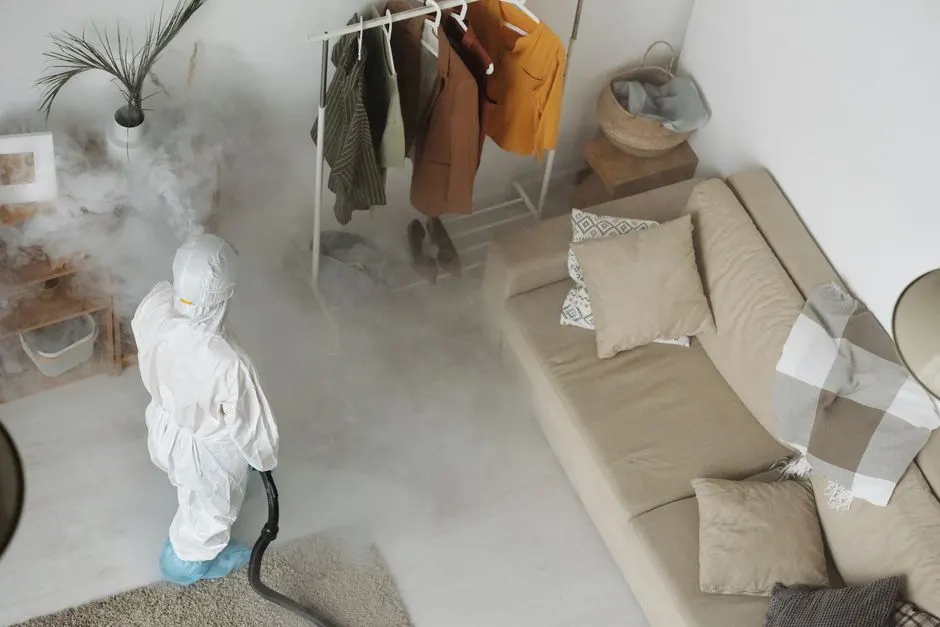
Spray Foam Removal near me
If you are searching for spray foam removal near me in Stafford, this is the same crew and the same equipment. We survey, blast and clear foam from lofts and roofs across the town, usually within a week of your call.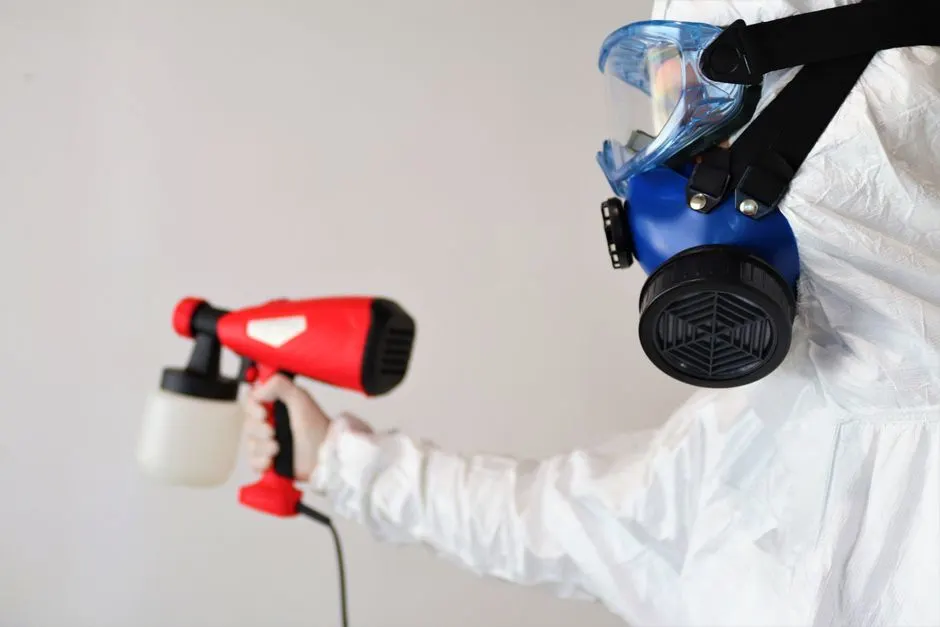
same day Spray Foam Removal
When a surveyor is due or a sale is stalling, we can sometimes get to you the same day for a survey and a fixed quote. Full removal usually follows within days, depending on access and how much foam is in the roof.
24/7 Spray Foam Removal
Emergency call-outs are rare with foam, but water ingress after a storm can make a foam-filled roof urgent. Our 24/7 line takes your details and arranges the earliest safe slot, with temporary protection if the roof is leaking.Ready when you are
Book sand blasting spray foam insulation removal in Stafford, Staffordshire
We survey, quote and remove foam with dust control, licensed disposal and a clearance report your lender will accept. Call 03335672543 and we will book a survey at a time that suits you, usually within the same week.
Talk with the local team
Request sand blasting spray foam insulation removal
Ring 0333 567 2543 any time, day or night, and you will speak to someone who knows Stafford roofs. For non-urgent jobs, email us a photo of the foam and we will come back with a survey slot, usually within one working day. We cover the whole of Stafford and Staffordshire.