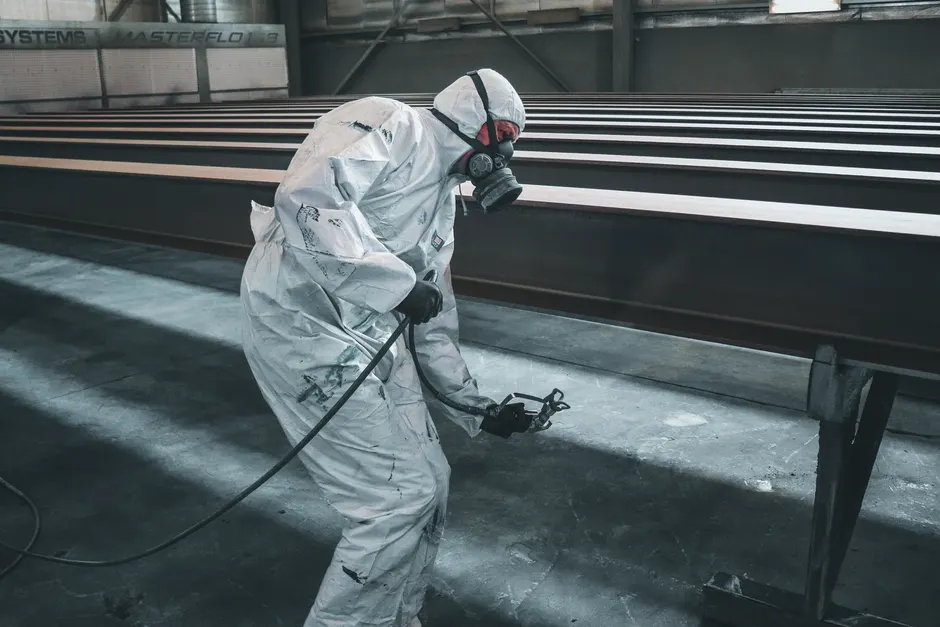
Industrial foam extraction for Staffordshire warehouses, done clean and code-correct
Warehouse spray Foam removal in Stafford
Warehouse spray Foam removal in Stafford clears failed polyurethane foam from commercial units, distribution sheds and storage buildings across Staffordshire. We cut out open cell and closed cell spray foam, bag it, and leave your racking, roller shutters and floor slabs ready for the next tenant or lender inspection. If a surveyor has flagged foam on your roof deck, or you need warehouse foam extraction Stafford fast, we survey within 24 hours.
Live phone supportUpfront optionsBacked workmanship
What's included
What our warehouse foam removal includes
Every warehouse foam extraction job we quote in Stafford includes the survey, the containment, the removal, the clearance and the paperwork. There are no hidden extras for skips, access equipment or waste transfer notes. If the foam turns out to be thicker or more widespread than the survey suggested, we tell you before we start, not after.
Free site survey
A lead technician attends your Stafford unit, measures foam coverage in square metres, identifies the foam type with a thermal imaging camera and moisture meter, and photographs the problem areas. You get a fixed written price within 24 hours.
Full dust containment
We isolate the work zone with protective sheeting, set up air scrubbers on negative pressure and use full-face respirators with isocyanate-rated filters. Racking, stock and machinery stay protected, and we do not leave foam dust across your picking lines.
Foam removal and bagging
Crews strip open cell and closed cell foam using oscillating multi-tools, industrial scrapers and a dry ice blasting machine where the skin is thin. All debris is bagged and removed through licensed waste routes, with transfer notes supplied.
Deck condition report
After stripping, we inspect the steel and timber, record moisture readings and photograph any roof timber rot, corroded fixings or failed seals. This written report is the document lenders and surveyors ask for when they review a foam-affected building.
Completion pack
You receive before-and-after photographs, moisture readings, waste transfer notes and a workmanship warranty on the removal. Everything is formatted for a surveyor or lender to read quickly, which is what keeps a stalled sale or remortgage moving.
Service overview
What Warehouse spray Foam removal in Stafford involves
Warehouse spray Foam removal in Stafford is the controlled cutting, scraping and vacuuming of sprayed polyurethane foam from roof decks, wall panels and structural steel inside commercial buildings. Foam applied years ago by an untrained installer traps moisture against the deck, hides roof timber rot and blocks ventilation. We remove it in bays, using dry ice blasting machine passes on thin skins and an industrial scraper on thicker closed cell spray foam, then run an air scrubber to clear airborne isocyanate dust before the next trade arrives.
Most Stafford warehouse jobs we see start with a mortgage lender refusal or a failed building survey. Foam sprayed directly onto the underside of a profiled metal roof stops the deck breathing, and in Staffordshire's wet winters that shows up as hidden damp within two seasons. If you have been searching for Warehouse spray Foam removal in Stafford near me after a lender letter, our team surveys the unit, maps the foam coverage bay by bay and gives you a fixed price to strip it back to bare steel.

How we workWe verify the cause, compare realistic options, and confirm the repair before we leave.
The service timeline
How our Stafford foam removal runs
The process flexes to the condition, but these checkpoints keep decisions clear.
Survey and quote
We attend your Stafford unit, measure the foam coverage in square metres, check foam type with a thermal imaging camera and moisture meter, and photograph the problem areas. You get a fixed written price within 24 hours, not an hourly rate that drifts. Surveys are free across Stafford, Baswich, Wildwood and the surrounding Staffordshire area.
Site setup
On day one we isolate the work zone with protective sheeting, set up air scrubbers and negative pressure, and brief your site manager on access, power and forklift movements. Racking and stock stay in place wherever possible. We work around your operating hours, including evenings and weekends, so you do not lose trading days.
Foam removal
Crews cut the foam in bays using oscillating multi-tools and industrial scrapers for thick closed cell spray foam, and a dry ice blasting machine for thin skins and awkward corners around purlins and fixings. Debris goes straight into sealed bags and skips. A typical 500 square metre warehouse roof deck takes three to four days to strip.
Deck inspection
Once the foam is off, we inspect the steel and timber underneath. Any roof timber rot, corroded fixings or failed seals are photographed and reported the same day. You get a written condition report with moisture readings, which is exactly what a lender or surveyor asks for when they review the building.
Clearance and handover
We vacuum the deck, wipe down steelwork, remove all sheeting and confirm air quality before handing the unit back. You receive a completion pack with before-and-after photographs, waste transfer notes and a workmanship warranty on the removal itself. Most Stafford customers are back to normal operations within 24 hours of handover.
Tools & methods
Tools and methods we use
Purpose-built equipment, used by trained technicians, so the job is done accurately the first time.
Dry ice blasting machine
Freezes and cracks thin foam skins off profiled metal decks and awkward corners around purlins and fixings without abrasive damage to the steel.
Industrial scraper
Cuts through thick closed cell spray foam where the bond to steel or timber is too aggressive for vacuum or blasting alone.
Oscillating multi-tool
Trims foam around fixings, pipework and racking legs where a scraper will not fit and precision matters more than speed.
Spray foam removal vacuum
Captures loose foam fragments and dust at the point of cutting, keeping the work zone clean and reducing airborne isocyanate exposure.
Air scrubber
Runs on negative pressure throughout the job to filter airborne foam dust and isocyanate traces before the unit is handed back.
Thermal imaging camera
Maps foam coverage and finds hidden damp behind the foam during the survey, so the quote reflects what is actually there.
Moisture meter
Records deck and timber moisture readings before and after removal, giving you the numbers a lender or surveyor wants to see.
Use cases
When Stafford businesses call us
These examples show how the service framework adapts rather than forcing every call through one repair.

Stafford Town Centre storage building
Foam blocked the ventilation path completely and condensation was dripping onto stored goods. Dehumidifiers ran constantly through the winter and heating costs were climbing year on year. → Foam removed from the full roof deck and ventilation restored. Condensation stopped within a fortnight, dehumidifiers were switched off, and the stored goods stayed dry through the following winter.
Wildwood industrial unit bought at auction
Foam of unknown type covered the roof deck and there was no installation paperwork. The buyer had no idea whether the deck underneath was sound or whether the foam was open cell or closed cell. → Foam identified with a thermal imaging camera, mapped bay by bay and stripped at a fixed price per square metre. The condition report found two purlins with rot, which were replaced before they became a structural repair.
Problems we solve
Problems our Stafford foam removal fixes
Foam that was sold as a fix often creates the next problem. These are the issues Stafford warehouse owners call us about most often, and what happens if they are left alone.
Mortgage lender refuses to lend on a foam-insulated unit
We strip the foam, photograph the bare deck and supply a condition report with moisture readings. Most Staffordshire lenders and their surveyors will review the property again once that pack lands on their desk, usually within 10 working days.
Hidden damp and roof timber rot under the foam
We remove the foam, check every purlin and fixing with a moisture meter, and photograph any rot we find. You get a written report showing exactly what needs replacing before it becomes a structural problem.
Reduced loft and roof ventilation
Stripping the foam restores the original ventilation gap. We confirm airflow after removal and can hand over to a certified installer for a compliant insulation system that keeps the deck breathing.
Health hazards from isocyanate dust during removal
We seal the work zone, run air scrubbers on negative pressure and wear full-face respirators with isocyanate-rated filters. Air quality is checked before handover, and the unit is safe for staff and forklift traffic the same week.
Pricing process
What foam removal costs in Stafford
1,800 - 9,500 pounds depending on scope
Square metreage of foam
The single biggest driver. Foam is priced per square metre, so a 300 square metre deck costs roughly a third of a 900 square metre deck with the same foam type and access.
Foam type and thickness
Closed cell spray foam is denser and bonds harder than open cell, so it takes longer to strip and needs industrial scrapers rather than vacuum alone. Thickness above 50mm adds time per square metre.
Access and height
High roof voids, restricted forklift access and racking that cannot be moved all slow the job down. We price access equipment into the quote rather than adding it later.
How much does Warehouse spray Foam removal cost in Stafford?
Most Stafford warehouse jobs run between 1,800 and 9,500 pounds in 2026, depending on square metreage and foam thickness. A 300 square metre roof deck with thin open cell foam sits at the lower end; a 1,000 square metre unit with thick closed cell spray foam and difficult access sits at the top. Surveys are free, and you get a fixed written price within 24 hours.
Can you remove spray foam from warehouses in Stafford?
Yes. Warehouse foam extraction Stafford wide is our core commercial service, covering distribution sheds, storage units, agricultural buildings and light industrial premises across Staffordshire. We strip open cell and closed cell foam from roof decks, wall panels and structural steel, working around racking and stock. Most units are back in normal operation within 24 hours of handover.
Is warehouse foam extraction available in Staffordshire?
Yes, we cover the whole of Staffordshire from our Stafford base, including Baswich, Weeping Cross, Wildwood, Rising Brook, Doxey, Walton-on-the-Hill and Derrington. Travel to outlying commercial parks is included in the quoted price. If your unit is further afield in the county, we still survey within 48 hours and schedule the work to suit your operating hours.
How long does foam removal take on a Stafford warehouse?
A typical 500 square metre roof deck takes three to four working days to strip, inspect and clear. Larger units of 1,000 square metres or more usually run six to eight days. We work nights and weekends where needed, so the elapsed calendar time can be shorter than the on-site hours suggest. You get a firm programme with the quote.
Related services
Related Services
Spray Foam Removal near me
If you are searching for spray foam removal near me around Stafford, we cover the town and surrounding villages with the same crews and equipment we use on warehouse jobs. Surveys are free and most residential or commercial quotes are returned within 24 hours.
same day Spray Foam Removal
For urgent cases, such as a lender deadline or a tenant moving in, we can mobilise a same day spray foam removal crew across Stafford where the survey has already been completed. We confirm availability by phone before you commit, and the price stays fixed.
24/7 Spray Foam Removal
Warehouses and cold stores often need foam stripped outside trading hours. Our 24/7 spray foam removal service runs night shifts and weekend crews across Staffordshire, with the same containment, air scrubbing and paperwork standards as a daytime job.Ready when you are
Book Warehouse spray Foam removal in Stafford
Free survey, fixed written price within 24 hours, and a completion pack your lender or surveyor will accept. Call our Stafford team on 03335672543 and we will book a site visit around your operating hours.

Talk with the local team
Request Warehouse spray Foam removal
Ring 0333 567 2543 any time, day or night, and you will speak to someone who knows Stafford roofs. For non-urgent jobs, email us a photo of the foam and we will come back with a survey slot, usually within one working day. We cover the whole of Stafford and Staffordshire.