How to remove spray foam from a loft without damaging roof timbers
Spray foam can be removed from a loft without wrecking your roof timbers - if the right method is used. Here's how it works in Stafford, and what it costs in 2026.
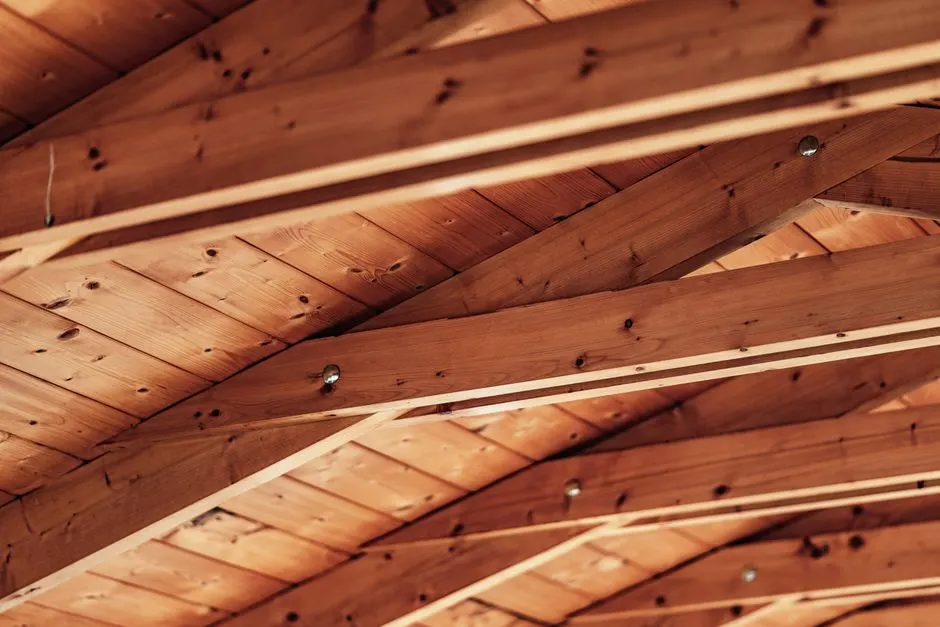
You can remove spray foam from a loft without damaging roof timbers by cutting the foam back to the timber face, never levering against the rafters, and controlling moisture while the roof deck is exposed. That is the short answer. The long answer depends on whether you have open cell or closed cell foam, how long it has been up there, and whether the timbers underneath have already started to hold damp.
We have taken foam out of lofts across Stafford, from Victorian terraces near the town centre to 1970s semis out at Wildwood, and the pattern is always the same: the foam is rarely the only problem. Below we cover why the timbers suffer, the three removal methods we use, what it costs in 2026, and the mistakes that turn a straightforward job into a re-roof.
Why spray foam damages roof timbers in the first place
Spray foam damages roof timbers because it seals the roof deck and traps moisture against the wood. A traditional Staffordshire roof breathes. Felt, tiles and rafters work together to let vapour escape upward and out through the ridge. Spray foam applied to the underside of the roof deck blocks that path completely.
Once the deck is sealed, any moisture that gets in - a slipped tile, a blocked valley gutter, condensation from a bathroom extractor venting into the loft - has nowhere to go. It sits against the rafter, the rafter stays wet, and wet timber rots. In our experience, a rafter that stays above 20% moisture content for a full winter will start to soften at the bearing end.
There is a second problem. Closed cell foam is rigid. As the roof deck expands and contracts through the seasons - and in Staffordshire that is a swing from roughly -5°C in January to 30°C on a south-facing pitch in July - the foam pulls at the timber surface. You get surface splintering along the rafter edge, and in bad cases the foam has physically lifted the felt away from the boards.
That is why lenders and surveyors flag it. If you are dealing with a mortgage valuation issue, our mortgage lender spray foam removal Stafford service is built around the paperwork as much as the removal.
How do you remove spray foam from a loft without damaging roof timbers in Stafford?
You remove spray foam from a loft without damaging roof timbers in Stafford by working from the ridge down, cutting the foam flush with the rafter face rather than pulling it, and checking timber moisture before, during and after the job. The order matters more than the tools.
Here is the sequence our technicians follow on a typical Stafford loft:
- Moisture survey first. We take readings on every rafter with a calibrated pin meter. Anything above 20% gets flagged and monitored before we touch the foam.
- Isolate the electrics. Loft lighting circuits and any solar inverter cabling run through the same space. We isolate and cap before cutting.
- Cut, don't pull. Foam is sliced back to the timber face in manageable sections. Pulling a large sheet of closed cell foam off a rafter is how you take splinters of wood with it.
- Bag and extract. Foam goes into sealed bags and out through the loft hatch or a hired chute. Loose foam dust is the main mess risk.
- Treat the timbers. Any rafter showing early rot gets a fungicidal wash and, where needed, a splice repair rather than a full replacement.
- Re-insulate properly. We fit breathable insulation at joist level, keeping the roof deck clear so air can move again.
That last step is the one most people forget. Removing the foam and leaving the loft bare just swaps one problem for another - cold rafters, condensation, and the same rot cycle starting again.
The methods we use - and which timbers they suit
The right removal method depends on the foam type and how well it has bonded. There is no single tool that handles every loft.
Mechanical cutting and scraping
This is our default for open cell foam. Open cell is soft, low density and usually comes away in sheets with a long-bladed scraper and an oscillating multi-tool. It is the fastest method and the kindest to the timber because you are slicing, not prising.
Open cell jobs are also the cheapest to put right. If you have open cell foam, our open cell spray foam removal Stafford service typically clears a standard 3-bed semi loft in a single day.
Dry ice blasting
Dry ice blasting uses compressed pellets at around -79°C to freeze the foam, which makes it brittle, then a jet of air lifts it off the timber. It is the method of choice for closed cell foam that has bonded hard to old rafters, because there is no mechanical force against the wood at all.
We use it where the timber is already compromised. If a rafter has surface rot, the last thing you want is a scraper dragging across it. Our dry ice blasting spray foam removal Stafford service is the safest option in those lofts.
Thermal softening
For thin foam skins and awkward corners around purlins and collar ties, controlled heat softens the foam enough to peel it back without tearing the timber surface. It is slow, so we only use it in tight spots where blasting cannot reach.
What it costs to remove loft spray foam in Stafford in 2026
Typical 2026 pricing for loft spray foam removal in Stafford runs from £1,800 for a small open cell loft to £6,500 for a large closed cell roof with timber repairs. The spread is wide because the foam type drives the labour, not the floor area.
As a rough guide for a standard 3-bed semi:
- Open cell, no timber damage: £1,800 - £2,800, usually one day on site.
- Closed cell, no timber damage: £3,200 - £4,800, one to two days.
- Closed cell with localised rot and splice repairs: £4,500 - £6,500, two to three days.
- Full re-roof required: £9,000 and up, and that is a roofing job, not a removal job.
Two things push the price up fast. Access is one - a loft with a 500mm hatch and no boarding takes longer than one with a proper loft ladder and walkway. The other is disposal. Foam is bulky and most of it goes to landfill, so skip and bag costs are a real line item.
If you want a fixed figure rather than a range, book an insulation assessment Stafford first. We survey the loft, test the timbers, and give you a written price before any cutting starts.
Can spray foam removal damage roof timbers in Stafford?
Yes - spray foam removal can damage roof timbers in Stafford if the foam is pulled rather than cut, or if the timber is already rotten and gets levered against. The damage almost always happens on the removal, not before it.
The three failure modes we see:
- Splintering along the rafter face. Caused by yanking large sheets of closed cell foam. The foam grips harder than the surface wood fibres.
- Crushed bearing ends. Caused by standing on rafters or using them as a lever point while working. Old softwood rafters at a wall plate crush easily.
- Hidden rot exposed too late. The foam comes off cleanly, but the rafter underneath is already soft. If nobody checked moisture first, the roof gets loaded again before the rot is treated.
None of these are inevitable. They are all avoidable with a moisture survey, the right cutting method, and a technician who knows when to stop and splice rather than push on.
Common mistakes we see on DIY and cheap removal jobs
Most of the failed jobs we get called to in Stafford share the same handful of mistakes. If you are planning to do any of this yourself, avoid these.
- Starting at the eaves and working up. Foam falls onto the section below and you end up re-doing it. Work ridge-down.
- Using a crowbar or hammer. Any levering tool against a rafter is a rot risk. Use scrapers and multi-tools only.
- Skipping the moisture reading. You cannot tell if a rafter is wet by looking at it. A £40 pin meter saves thousands.
- Leaving the loft bare. Removing foam without fitting breathable insulation leaves the roof deck cold and condensation-prone.
- Not documenting the job. If a lender or surveyor is involved, before-and-after photos and moisture readings are what close the file. Our loft spray foam removal Stafford service includes a full photo record as standard.
One more: don't vent a bathroom extractor into the loft after removal. We see this constantly in Stafford. It undoes the whole point of clearing the roof deck.
When to call a professional
Call a professional when the foam is closed cell, when the loft has any sign of damp or staining on the rafters, or when a mortgage lender has flagged the insulation. Those three situations are where DIY removal goes wrong.
Closed cell foam is rigid, bonded and often sprayed over old felt. Getting it off without splintering the rafter takes the right kit and a steady hand. Add moisture into the mix and you are now doing timber repairs as well as removal.
We handle this every week across Stafford and the surrounding villages. If you would rather not gamble on your roof structure, our Spray Foam Removal near me Stafford team will survey the loft, tell you honestly whether the timbers are sound, and price the job before we start.
Frequently Asked Questions
How do I remove spray foam from a loft without damaging roof timbers in Stafford?
Cut the foam flush with the rafter face using a scraper or multi-tool, never pull it, and take moisture readings before you start. Work from the ridge down and isolate the electrics first. If the foam is closed cell or the timbers read above 20% moisture, bring in a specialist.
Can spray foam removal damage roof timbers in Stafford?
It can if the foam is pulled rather than cut, or if rotten timber is levered against. Splintering along the rafter face and crushed bearing ends are the two most common outcomes. A moisture survey and the correct cutting method prevent both.
Who can remove loft spray foam safely in Staffordshire?
A specialist removal contractor with moisture-testing equipment and dry ice blasting capability. General builders rarely carry either. We cover Stafford, Baswich, Wildwood and the wider Staffordshire area, and we document the job for lenders.
How long does loft spray foam removal take?
Open cell foam in a standard 3-bed semi takes one day. Closed cell foam takes one to two days. If timber repairs are needed, allow two to three days. Access through the loft hatch is often the biggest time factor.
Will removing spray foam affect my mortgage?
Removing it usually resolves the lender's concern, provided you can show the timbers are sound. We supply before-and-after photos and moisture readings that satisfy most surveyors. Some lenders want a report from a qualified surveyor as well.
Get help with Spray foam removal in Stafford
If your loft has spray foam and you are worried about the timbers underneath, we will survey it, test the moisture, and tell you straight whether it needs to come out. No guesswork, no pressure.
Call Spray Foam Removal Stafford on 0333 567 2543 to book a loft survey. We cover Stafford town centre, Baswich, Weeping Cross, Wildwood, Parkside, Highfields, Rising Brook, Silkmore and Moss Pit.